The Workers’ Music Association
Overview
In 1936 the Workers’ Music Association (WMA) was founded as an organisation dedicated to the musical activities of the working class, enabling them to have access to all forms of music, and promoting a working class voice within it.
We are a democratic organisation, where all our members can voice their opinion and vote on the work that we do.
We are led by our Executive Committee, which consists of our President, Chair, Secretary, and other members who perform their several roles to keep the organisation functioning and help carry out our various activities. Every year at our Annual General Meeting, our Executive Committee members are elected (or re-elected).
Anyone can be a member! You don’t need a certain level or musical skill, or a certain political affiliation. We are a broad church – all we want is your enthusiasm for music and bringing music to everyone!
If you want to know more about being a member you can contact us, or if you want to dive in and sign up go to membership.
Our Executive Committee
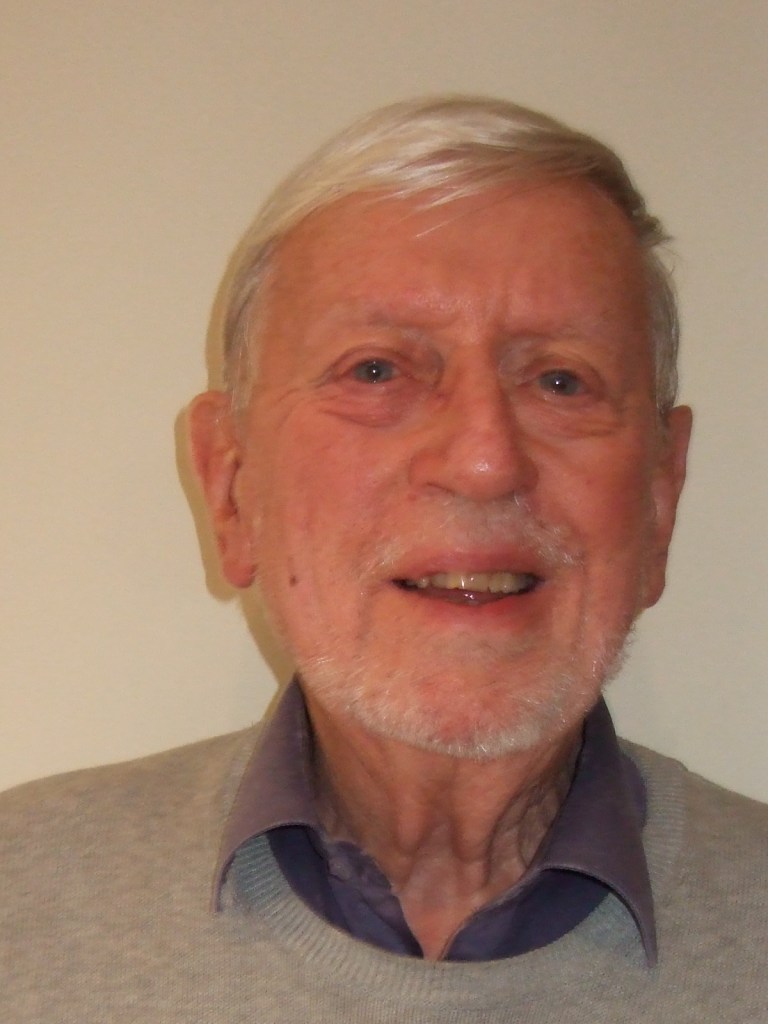
I have been a singer since my early childhood in a range of genres, but particularly those of folk music and opera – the former for the past 60 years and the latter since the 1980s. I also enjoy traditional jazz, dance band music and modern ballads.
I have been a member of the WMA for over 40 years and the Executive Committee since 2021, having previously served as Weekend Organiser for several years.
I retired from active performance around 2015, and became a Trustee of Sheffield City Opera, with responsibility for organising musical events, which h I still occasionally turn my hand to.
I am from a staunch Labour Party and trade union background, and was Branch Secretary and later President of NALGO in Barnsley during the 1970s and 80s. I continue to be involved in politics where my wife and I now live in South Derbyshire.
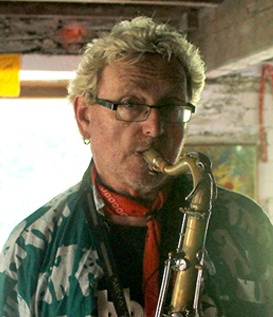
phil hargreaves is a sax player and producer specialising in experimental improvisation, but with
a foot in various styles of music.
Born in 1959 he began his musical journey playing guitar and
vocals in a punk band in the West Midlands, taking up the sax at the age of 21 having moved to
Liverpool. At the time he was playing mainly in the pop/post punk field, most notably in a band
called Personal Column, John Peel favourites.
In 1989 he started a course in ‘Light Music’ at Sandown College, Liverpool, having developed an
interest in Jazz. A chance encounter with guitarist Phil Morton in 1993 led to a burgeoning
engagement with the field of free improvisation, which extended with the formation of the
Frakture music space in 1997, including gigs with Derek Bailey and Evan Parker, and the
formation of the Frakture Big Band – large-scale improvising groups have been an enduring
interest ever since.
After splitting with Phil Morton he formed his own record label, whi music. He has released 18
albums on that, as well as playing on six or seven albums on other labels, and contributing
tracks to several compilations. His current groups include Graculus (a duo with classical guitarist
Richard Harding), Siapiau with vocalist Maggie Nicols, Malchamech (improv metal) and the free
jazz/power electronics grouping Bloodcog.
Both he and Maggie Nicols are Vice Presidents of
the WMA.
He curates the Liverpool Gathering, an open space for free improvisation, and also puts on gigs in Liverpool with reeds player Nick Branton under the title AMQH.
He is married to Isla Cameron, and has two adult children.
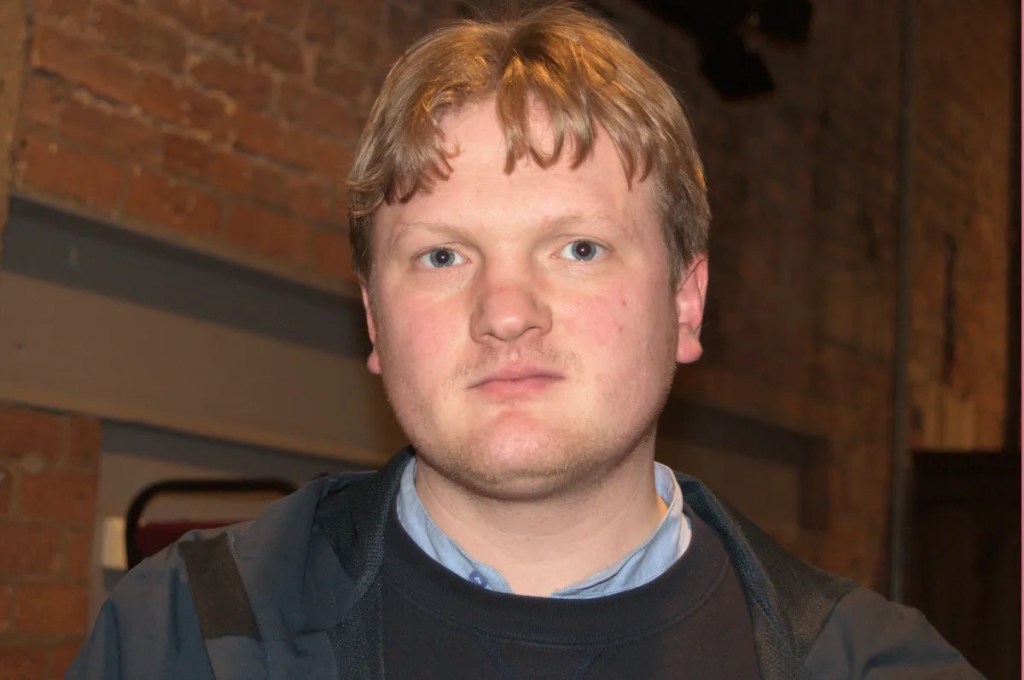
Isaac is a founding member of the Commission for New and Old Art, an organisation programmes concerts in Manchester and elsewhere, and has extensive experience in organising and promoting music of many types. He also works as an organiser for the Greater Manchester Tenants Union.
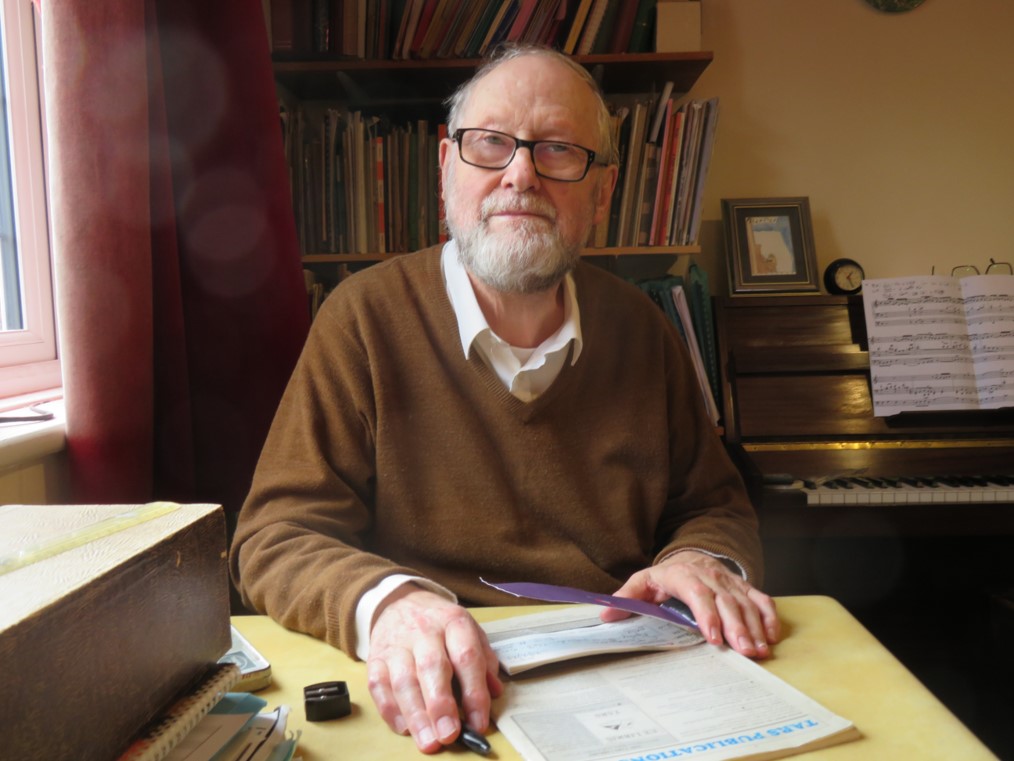
David Martin was born and bred in New Zealand, but has spent most of his life in England. He composes, plays the organ and writes about music. He was once a passable singer, but old age has soured his voice. He joined the WMA in 1993, and has been active within it in various ways.
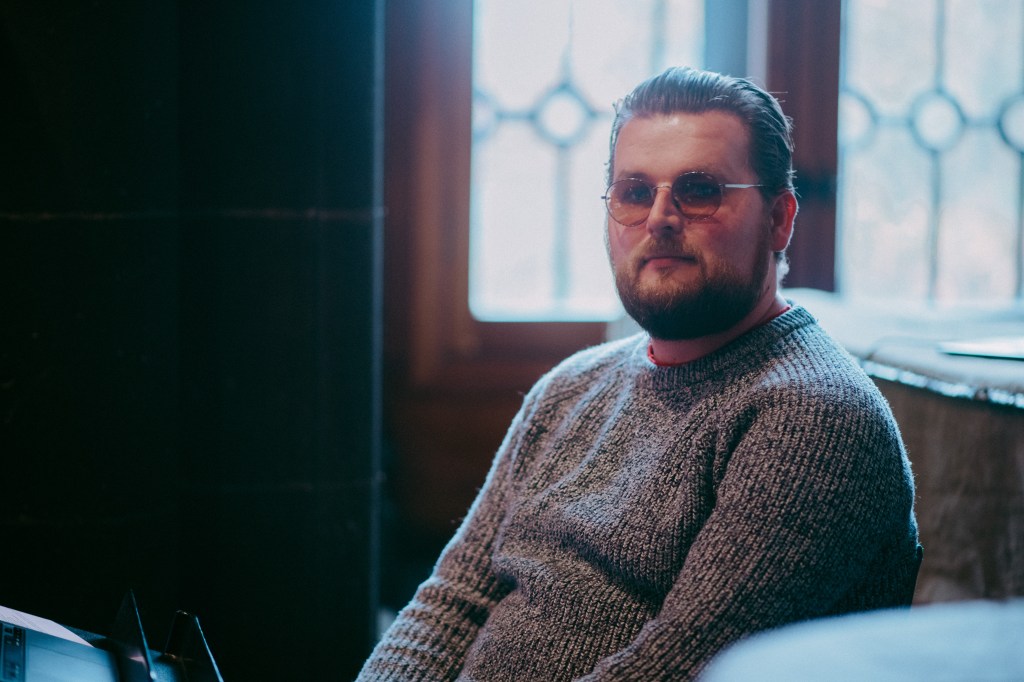
Ben Lunn has forged himself a unique position within the new music landscape. As a composer, Lunn’s music reflects the material world around him, connecting to his North-Eastern heritage or how disability impacts the world around him or his working-class upbringing. Alongside this, he has become renowned for his championship of others, which have seen him creating unique collaborations with musicians from across the globe and developing unique concert experiences and opportunities for others.
He is an active trade unionist, serving on the STUC General Council, and is Chair of the North Lanarkshire Trades Council and Scotland and North of Ireland Regional Committee
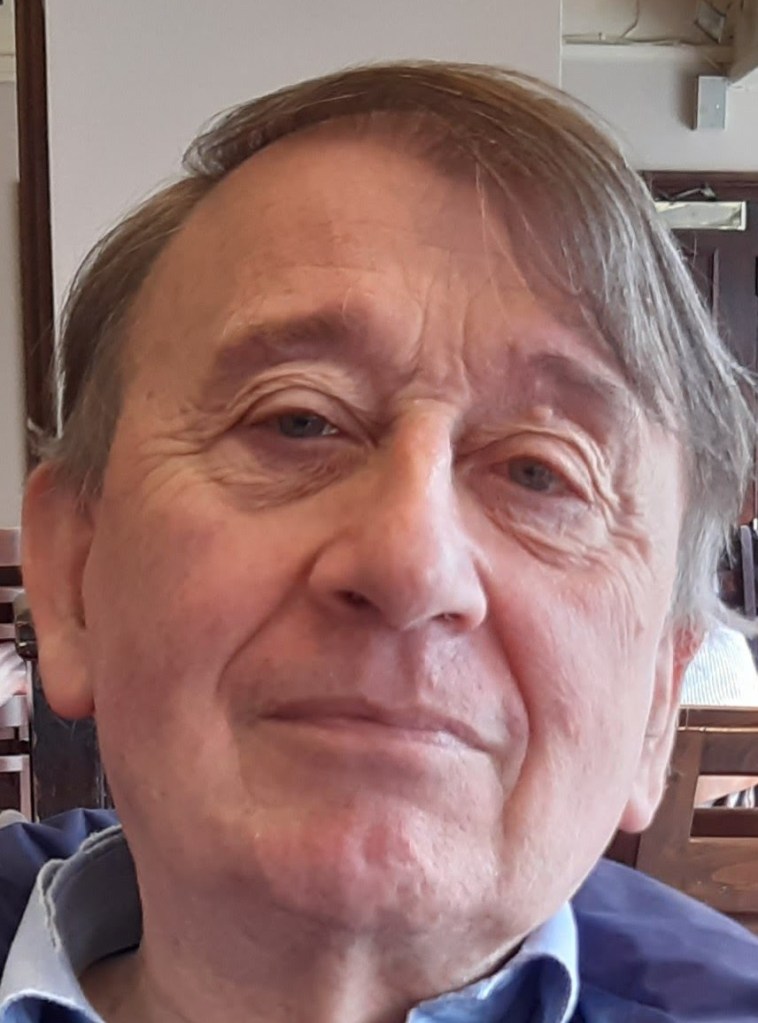
I learnt the piano from the age of 9 (a bit late starting), and the organ from my late teens. I’ve been singing in my church choir ever since my voice broke. I’m now organist at my local church. I did a BA in Linguistics and an African language at SOAS (London University) and worked in the library there for many years.
I first went to WMA Summer School at Wortley Hall in the early 1980s. Summer School often clashed with choir trips, so I didn’t go again for a few years, but have been attending Summer School on and off since the 1990s. I took the composition course under Aubrey Bowman, and he must have seen something that could be developed, as he offered me private lessons, which I had at his house in Finchley for a number of years. Having lessons with Aubrey really put my music writing on a firmer footing.
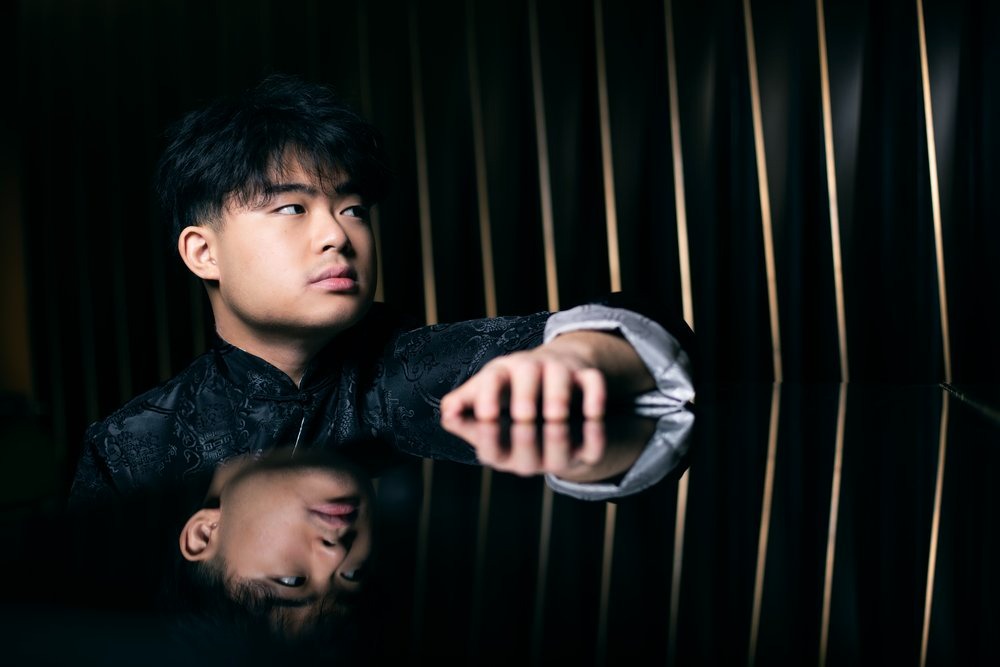
Aidan Chan is an Irish-Chinese pianist whose work explores identity, social structure and cultural hybridity through performance. Described as “fearless and uncompromising”, he has appeared at venues including Carnegie Hall, Wigmore Hall and across Europe and Asia, performing as a soloist with orchestras such as the RTÉ Concert Orchestra and the Philharmonic Orchestra of Budweis.
A passionate advocate for contemporary music, he has commissioned and premiered works by composers including Alex Ho, Delyth Field and Philip Hammond, while maintaining a strong connection to the classical canon, particularly the music of Mozart and Chopin. Currently a PhD Scholar at the Royal College of Music, his research investigates how diasporic identity is constructed and conveyed through artistic performance, drawing on his Hakka Chinese heritage and wider postcolonial discourses.
Aidan was winner of the 2023 RDS Music Bursary and other major awards, and sits on the Executive Committee of the Workers Music Association.
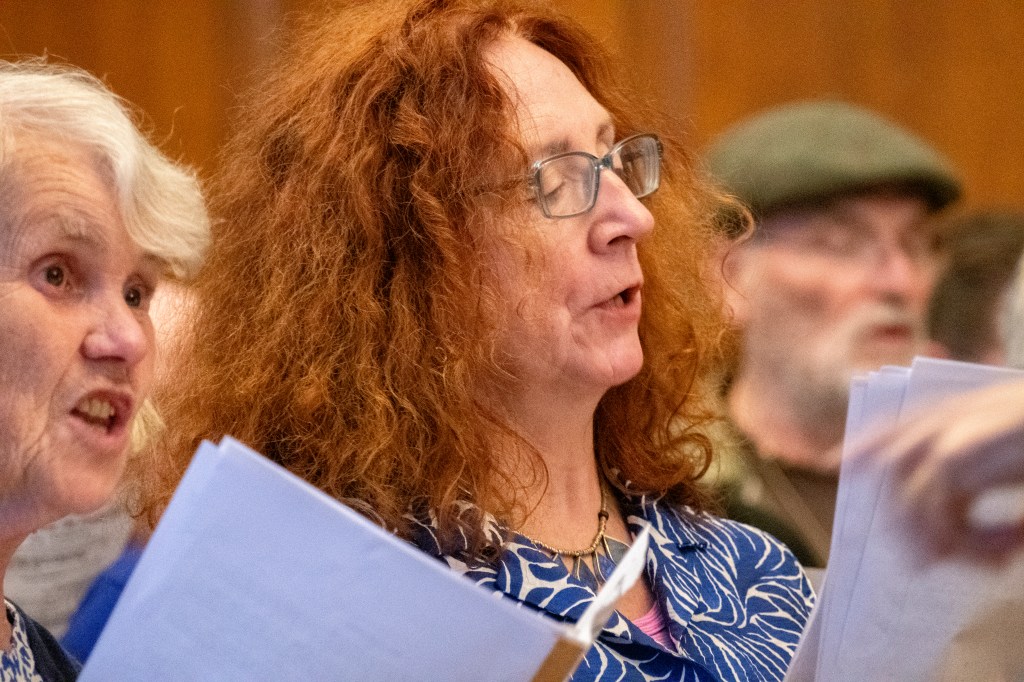
Born in Liverpool 60 years ago into a communist family.Life was full of politics and Morning star activism.
I learnt violin at 7years and went to my 1st WMA summer school in 1989 with husband Phil Hargreaves,we have returned every year since.
Now I help organise it and am on the WMA EC.
I was a founder member of Political street band the Peacemakers in 1986 an in 2015 the Liverpool Socialist Singers.
I am in many local orchestras mainly Liverpool string orchestra and Mozart Orchestra.
I enjoy traditional folk sessions too.
Music is such a force for peace and joy in the world. May the WMA keep its roots in promoting music is for everyone not an elite group
Honorary Vice-Presidents
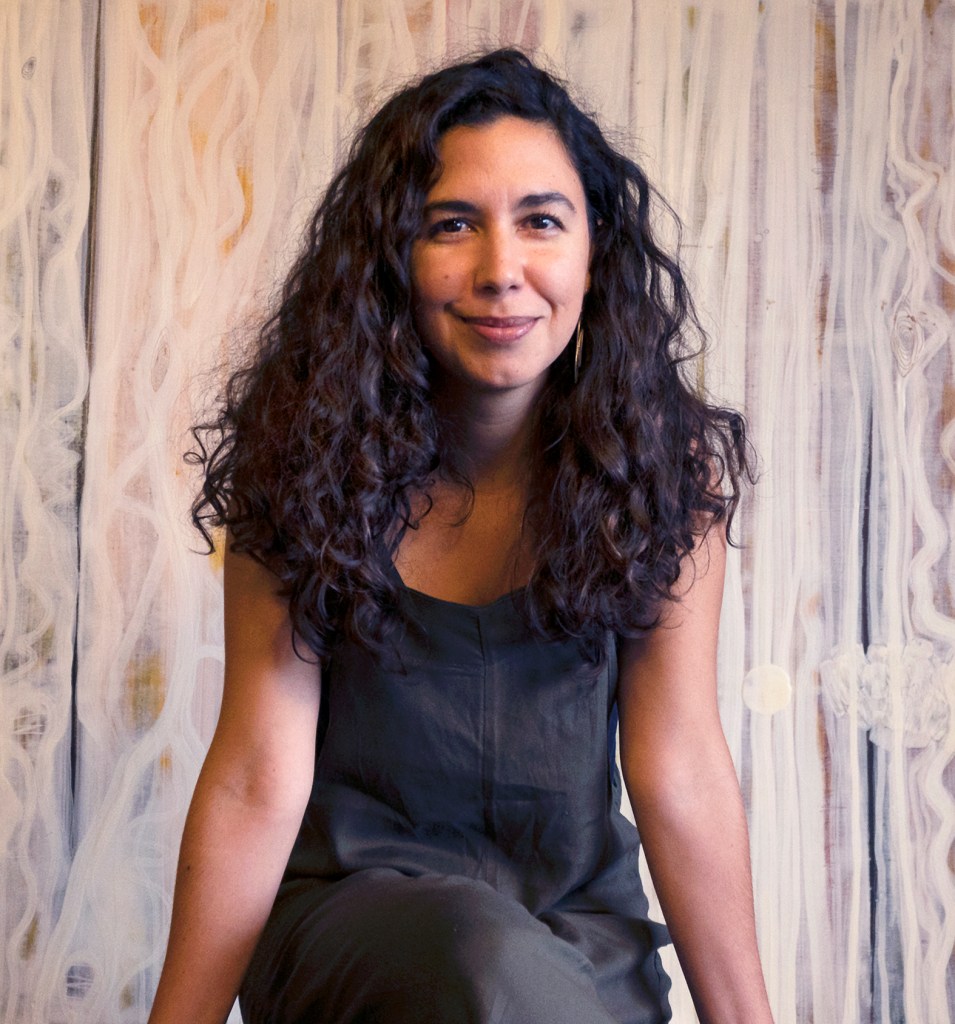
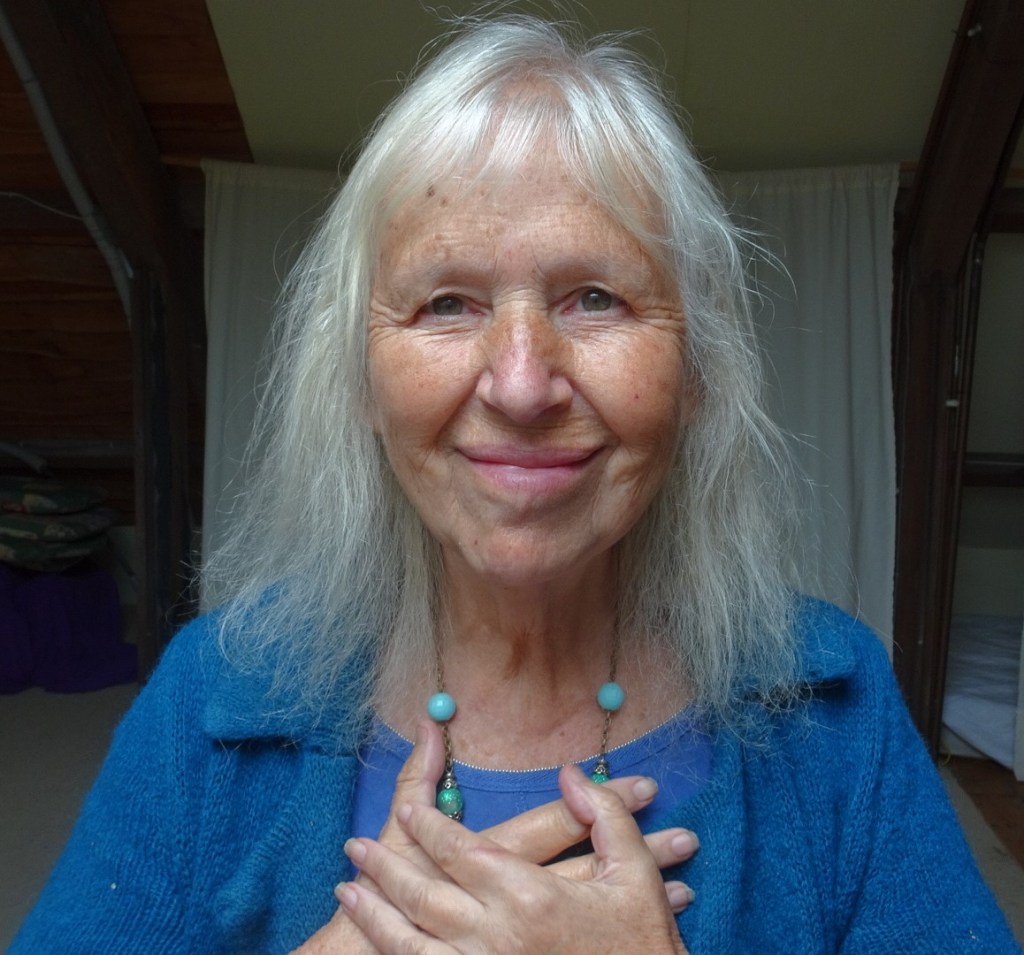
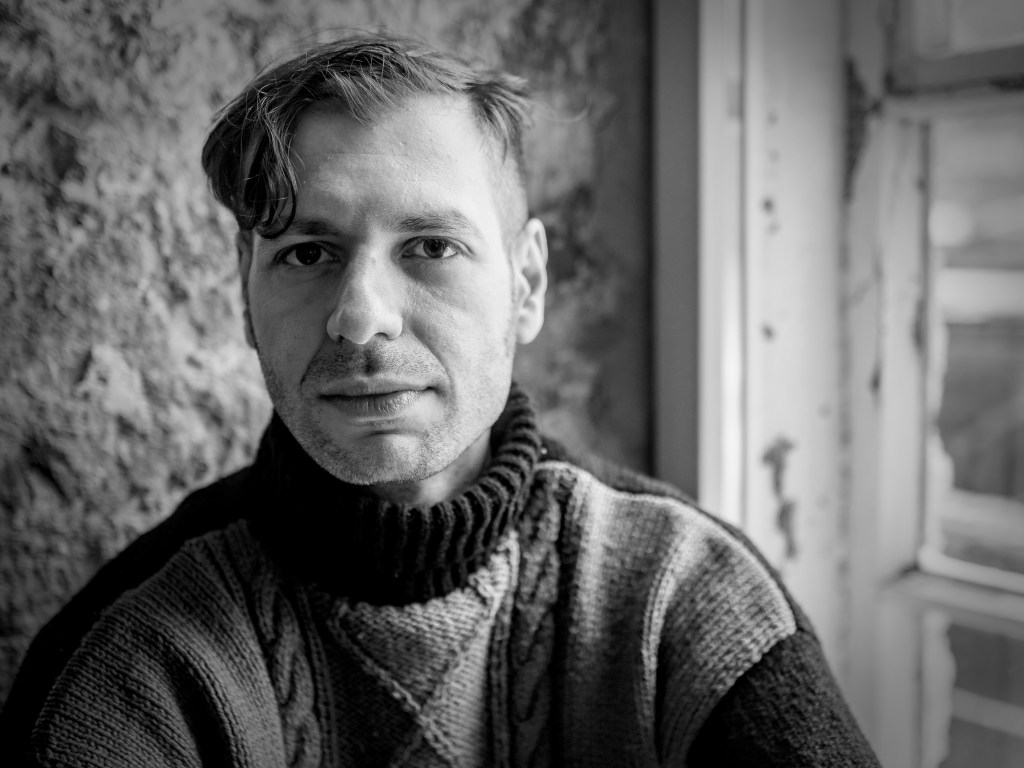
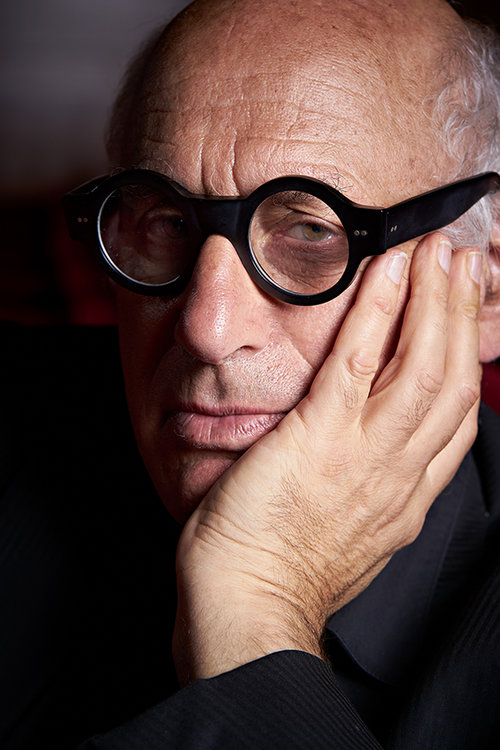
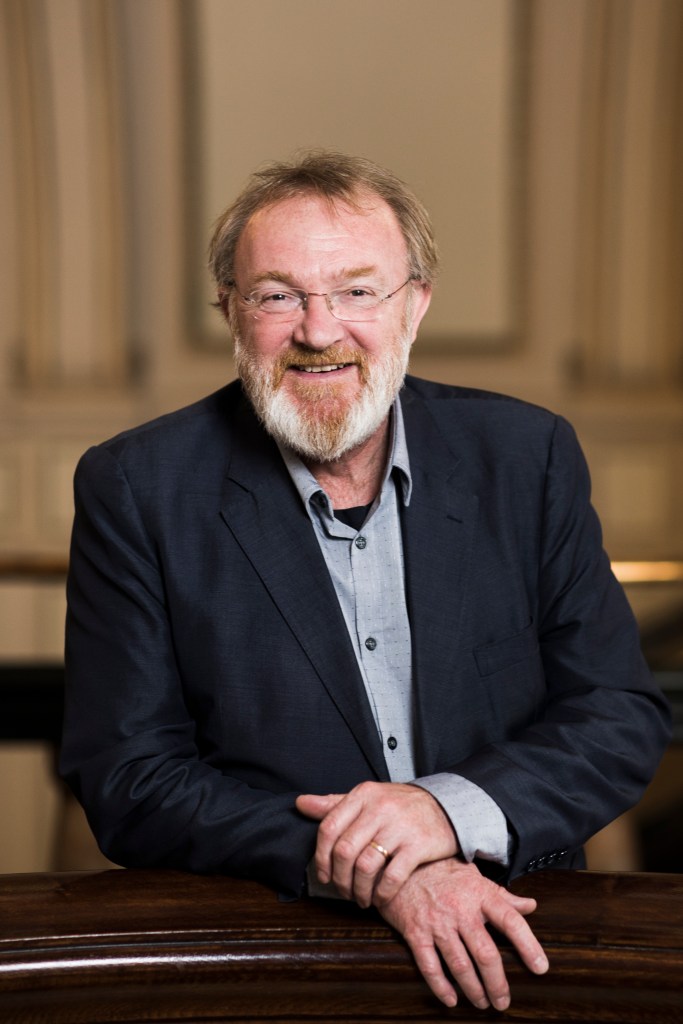
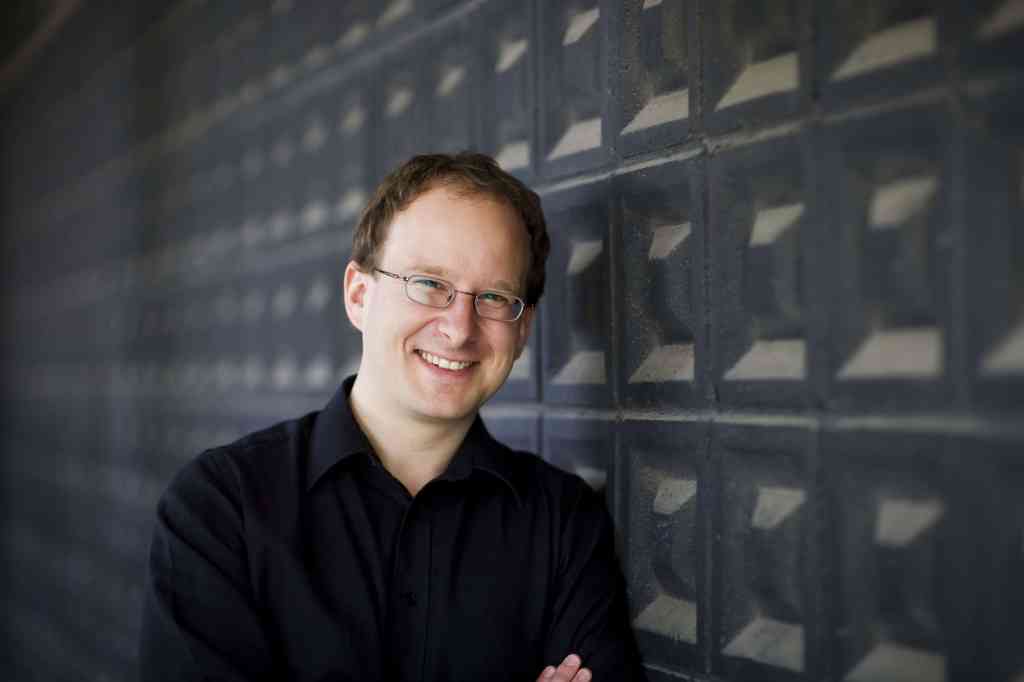
These are individuals who are outstanding musicians and artists in their own right, but also who embody our vision for music for everyone!
All of these individuals are nominated by our members as recognition for the incredible work that they do
Our History
Biographies of the ‘founding fathers’
Alan Bush
Alan Dudley Bush, composer, conductor, pianist: born Dulwich 22 December 1900.
Professor of Composition, Royal Academy of Music 1925-78; conductor, London Labour Choral Union 1929-40; founder, Workers’ Music Association 1936, President 1941-95; served Royal Army Medical Corps 1941-45; Chairman, Composers Guild of Great Britain 1947-48; author of Strict Counterpoint in the Palestrina Style 1948, In My Seventh Decade 1970, In My Eighth Decade and Other Essays 1980; married 1931 Nancy Head (died 1991; two daughters, and one daughter deceased); died Watford 31 October 1995.
Following a successful period as a student at the RAM, he studied composition with John Ireland. After a visit to Germany in 1929 and experiencing the Nazi Party’s rise to power, his political convictions were re-affirmed and he moved from the Labour Party to the Communist Party. He received several doctorates of music during his lifetime. He continued as President of the WMA until his death, attending and teaching at the WMA Summer School of Music and conducting the WMA Singers. His influence still looms large within the WMA to this day.
Rutland Boughton
Rutland Boughton was born in 1878 in Aylesbury, Buckinghamshire. He studied at the Royal College of Music and became a member of staff at the Birmingham and Midland Institute of Music (now the Birmingham Conservatoire). He is now best known for his operatic and choral compositions. He was a committed socialist, and a member of the Communist Party until a few years before his death in 1960.
Boughton was the conductor of the London Labour Choral Union when Alan Bush became his deputy, and later its Musical Director on Boughton’s retirement.
Will Sahnow
Will Sahnow was born in 1898.He learnt to play the cello and the French horn, and conducted a North London orchestra, affiliated to the London Co-operative Society. His other musical interests were in the brass band movement, and later in choral music. He was an early member of the Communist Party.
Sahnow was appointed General Secretary of the Workers’ Music Association in 1939 and is credited with turning a ‘struggling group of enthusiasts into a continuously functioning centre of activity’. During World War II he organized the Topic Record Club, producing a recording per month for over 900 members. After the war, he concentrated on organizing the WMA Summer School, until 1956 when a full-time organizer took over, as managing the increasingly popular Topic Records was demanding more of Sahnow’s time. He died in 1957, aged only 59.
Beginnings of the WMA
The roots of the Workers’ Music Association lie in the activities of the London Labour Choral Union (LLCU) and Co-operative musical associations, in which composers Alan Bush and Rutland Boughton, and Will Sahnow, later the WMA’s first General Secretary, were much involved. The LLCU was founded in 1924 by Labour politician Herbert Morrison and Rutland Boughton, and conducted by Boughton until 1929, when Alan Bush took over the conductorship.
In 1934 there was a Pageant of Labour, for which Alan Bush wrote the music. Bush took a leading role in organising a ‘Concert Demonstration and Conference’, on March 1st 1936 at the Whitechapel Art Gallery. Representatives of the London Labour Choral Union, the Co-op Education Committees, and the Co-op choirs, some of whom had been involved in the Pageant of Labour, were among those present. This was the genesis of the Workers’ Music Association.
Bush was anxious to make the new association different from other music societies, bringing music out of the concert hall and making it more relevant to the lives of working people. The WMA sought to bring existing workers’ music organisations into closer touch with one another and aimed to include professional musicians to provide skilled assistance to its amateur members. Courses in conducting and composition were established, under Rutland Boughton and Alan Bush; the WMA started publishing new songs for Labour choirs to sing, all within the first year of its existence. In 1939 an office was opened in Southampton Row, and later at 9 Great Newport Street, with Will Sahnow as Organising Secretary. Bush and Sahnow travelled across the country to get support mainly from regional Co-operative conferences and expandthe organisation nationally. Incorporation as a limited company came in 1944.
Publications
Topic Records, which covered recordings of popular workers’ songs and introduced works by Soviet composers, were launched in 1939, and 1940 saw the start of publications such as the ‘Keynote’ booklets.Other examples are“The Pioneer Songbook” , containing people’s songs from many lands, which was commissioned by the Watford Co-operative Society, “Shuttle and Cage” (industrial ballads), and A.L. Lloyd’s “The Singing Englishman”. A booklet entitled “A policy for music in Post-War Britain” was produced in 1945, in which local authorities took much interest.
The Workers’ Music Association was central to the organization of many concerts during the 1940s, based on ‘common purpose in national life’. Orchestras and choirs were drawn from across the country and speakers invited from here and abroad; Conductors such as Sir Malcolm Sargent, Albert Coates and Anatol Fistoulari took part in some of these. There was a constant focus on forging links with war-time allies and providing aid.
WMA Singers were formed in 1942, as an outcome of a “Conference of Choirs”. They were conducted first by Arnold Goldsborough, and then by Alan Bush and David Ellenberg. This body of singers took ‘songs of social significance’ all over the country and British music to other countries. Notably, in 1947 they sang at war-torn Lidice in Czechoslovakia, performing a work specially written by Alan Bush.
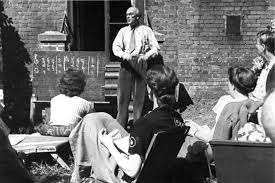
Summer Schools: the WMA’s commitment to music education led to annual Summer Schools being held, at first in various locations, but in 1954 finding a home at Wortley Hall near Sheffield, where it remained until 2007. Courses include wind, brass and string ensembles, choir and solo singing, opera, folk music, conducting and composition. The venue has now changed, but the Summer School still flourishes.
Currently: the WMA maintains contact and support for the Trades Unions and draws much of its support from trade union members. Its activities may have slimmed down since the early days, but its aims are fundamentally to maintain music education for working people.
 Workers' Music Association